Solar Projects in Pakistan: Carbon and Cost Savings 2026
Every year, more solar projects in Pakistan move from planning to commissioning, and each one removes tonnes of carbon from the national energy mix. For businesses tracking emissions, solar is now one of the fastest ways to cut Scope 2 carbon while also lowering power bills.
This 2026 guide shows how to measure the carbon benefit, which project types deliver the most impact, and how to plan one properly. You can see completed solar projects in Pakistan for reference on scale and design.
How Solar Reduces Your Carbon Footprint
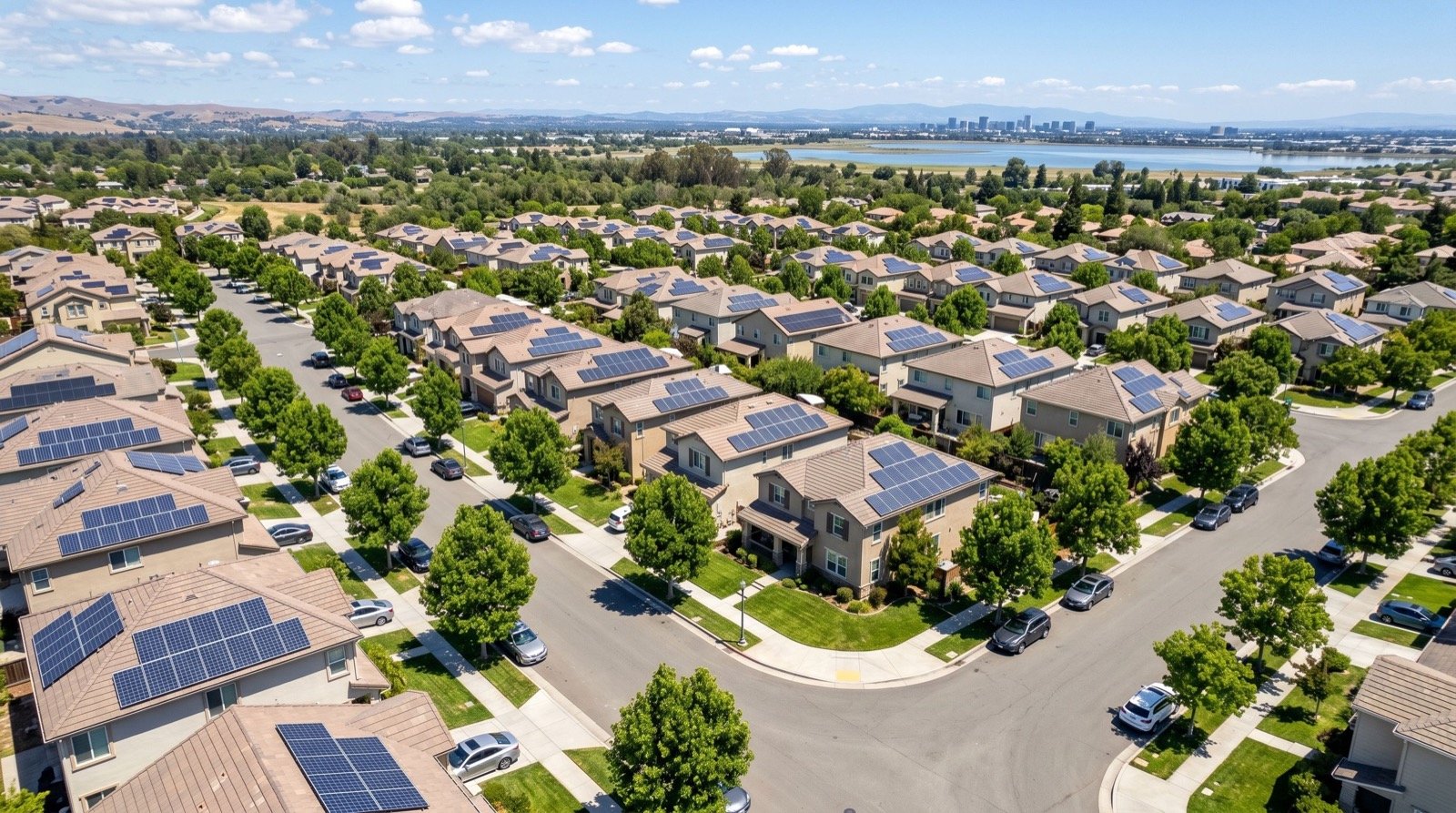
Grid electricity in Pakistan still relies partly on fossil fuels, so every unit you generate from sunlight displaces a unit with an emissions cost. Rooftop and ground-mounted arrays produce electricity with no combustion emissions during operation.
The IRENA reports that solar photovoltaics have become among the cheapest sources of new power worldwide. Lower cost means carbon reduction no longer requires a financial sacrifice.
A simple way to estimate your savings
Use this formula: annual kWh generated multiplied by the grid emission factor equals avoided kg of CO2. The US EPA greenhouse gas equivalencies calculator explains how to convert kWh into relatable equivalents. For Pakistan, use the most recent national grid factor your auditor accepts.
Types of Solar Projects and Their Impact
Different sites suit different designs. The table below compares the main categories.
| Project type | Typical size | Carbon impact | Best fit |
|---|---|---|---|
| Residential rooftop | 3 to 15 kW | Low per site, high in aggregate | Homes and small shops |
| Commercial rooftop | 50 to 500 kW | Medium to high | Offices, malls, schools |
| Industrial rooftop | 500 kW and above | High | Factories, textile mills |
| Agricultural solar pumping | 5 to 50 kW | Replaces diesel | Farms, tube wells |
| Ground-mounted | 1 MW and above | Very high | Open land, utilities |
Three Illustrative Project Scenarios
The examples below use typical assumptions to show how planning differs. Actual results depend on location, equipment and consumption.
Textile unit in Faisalabad
A factory with a large flat roof and daytime-heavy load is ideal. Most solar output is used on site, so payback is fast and the carbon cut is immediate. The main challenge is roof strength, which needs a structural check.
Tube well conversion in Punjab
Replacing a diesel pump with a solar pump removes fuel cost and exhaust emissions. A variable frequency drive matches pump speed to sunlight, so no batteries are needed.
School campus in Islamabad
Schools use power mainly in daylight hours, which matches solar generation. A modest system can cover cooling and lighting loads and doubles as a teaching tool for students.
What Makes a Solar Project Succeed?
Strong projects share a few traits. Keep this checklist handy when you brief a contractor.
- Clear goals, such as bill reduction, carbon targets or backup power.
- A load profile built from at least 12 months of data.
- Tier-1 equipment with transparent warranties.
- Engineering drawings, protection design and earthing plans.
- Regulatory approvals and net metering handled early. Check current rules at NEPRA.
- A monitoring system and an agreed cleaning and maintenance plan.
A practical tip: install a monitoring platform from day one and review it weekly for the first quarter. Early data exposes shading or string faults while the installer is still accountable.
How to Choose the Best Solar Company in Pakistan?
The contractor shapes everything from design quality to long-term support. If you are searching for the best solar company in Pakistan, judge firms on evidence rather than slogans.
- Portfolio of completed projects similar to yours.
- In-house engineers and a clear commissioning process.
- Written warranties and local after-sales support.
- Itemised quotations with brand and model numbers.
- Willingness to share references you can call.
Pairing up with an experienced local team reduces delays because they already understand permits, utility procedures and site conditions.
Measuring and Reporting Results
Track three numbers every month: energy generated, grid units avoided and estimated CO2 avoided. Compare them against the design estimate. A gap of more than 10 percent deserves investigation.
For modelling expected output before you build, the National Renewable Energy Laboratory offers research and tools that many engineers use for sanity checks. Share your annual summary with stakeholders to show progress against sustainability goals.
Financing and Incentives to Consider
Funding shapes how fast a project goes ahead. Many businesses pay upfront from savings, while others use bank financing designed for renewable energy. Some firms prefer operating-lease or power purchase structures where a provider owns the system and the customer pays for the electricity produced.
Whichever route you choose, model the full cost over 10 to 25 years. Include inverter replacement, cleaning, insurance and any grid charges. A realistic spreadsheet protects you from projects that look good only on the first page of a proposal.
Common Risks and How to Manage Them
- Roof leaks: use proper flashing and ask for a waterproofing warranty.
- Shading growth: trees and new buildings can reduce output over time.
- Grid instability: choose inverters with wide voltage tolerance.
- Theft or damage: secure ground-mounted arrays with fencing and cameras.
- Poor maintenance: write a cleaning schedule into the contract.
Managing these risks early keeps the carbon and financial benefits intact for the full life of the system, which commonly exceeds 25 years.
Why Local Context Matters
Climate, dust, grid quality and regulation all differ across Pakistan. A design that works in Lahore may need changes in coastal Karachi, where salt air accelerates corrosion, or in northern areas where snow load matters. Local installers understand these conditions, and they know how utility offices handle inspections. That knowledge shortens timelines and avoids expensive redesigns. Ask every contractor to explain how they adapt designs to your specific location, not just to a generic template.
Frequently Asked Questions
How much carbon does a solar project save in Pakistan?
It depends on system size, sunshine and the grid emission factor. Multiply annual generation by the factor your auditor uses to get avoided emissions.
Are solar projects profitable for businesses?
Usually yes, especially for daytime-heavy loads. Payback varies with tariff, consumption and system cost, so request a financial model before approval.
How long do solar projects take to complete?
Small rooftop systems take days. Larger commercial and industrial projects can take two to six months including design, procurement and approvals.
Can solar replace diesel generators?
Partly or fully. Hybrid systems with batteries or generator integration cut diesel hours dramatically, though some critical loads may still need backup.
Conclusion
Successful solar projects in Pakistan combine good engineering, honest planning and consistent measurement. Define your goals, size the system from real data, choose a capable contractor and track results. Start with a site survey this month to turn sunshine into lasting savings and measurable carbon reduction.