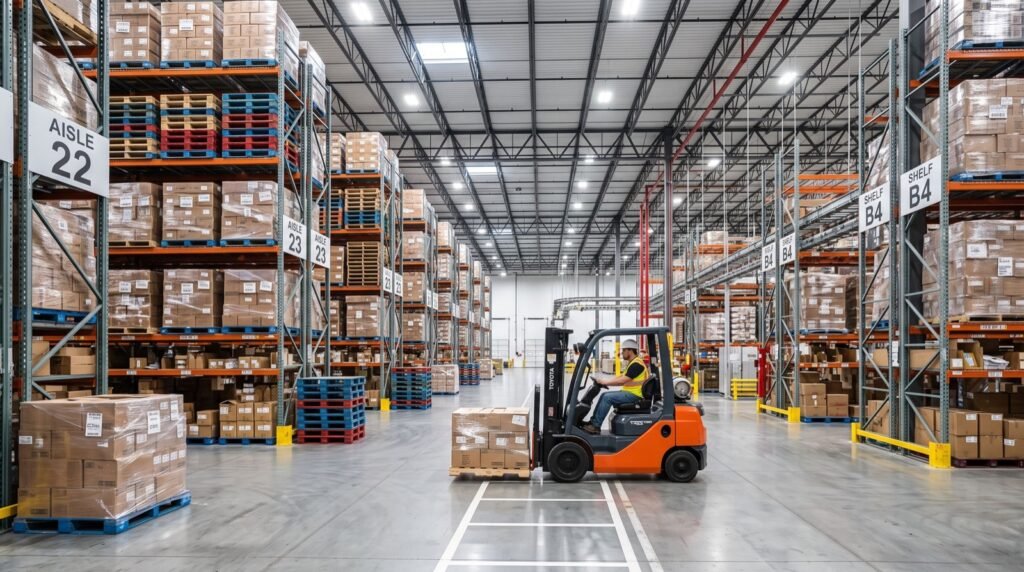
Ambient Storage In Riyadh: A Smarter Way to Stock Shelf-Stable Goods in 2026
Brands managing packaged food, beauty products, electronics, or household goods across Saudi Arabia are rethinking how they warehouse inventory that doesn’t need refrigeration. Ambient storage in Riyadh is quietly becoming one of the most cost-effective ways to protect shelf-stable stock, cut unnecessary energy spend, and keep distribution running smoothly as the Kingdom’s retail sector expands through 2026. Unlike frozen or chilled warehousing, ambient facilities don’t need constant refrigeration — but that doesn’t mean “any dry room will do.”
This article walks through what ambient storage actually involves, why the right facility matters for inventory quality, and how trusted professionals structure contracts that save money without risking stock integrity.
What Makes Ambient Storage In Riyadh Different
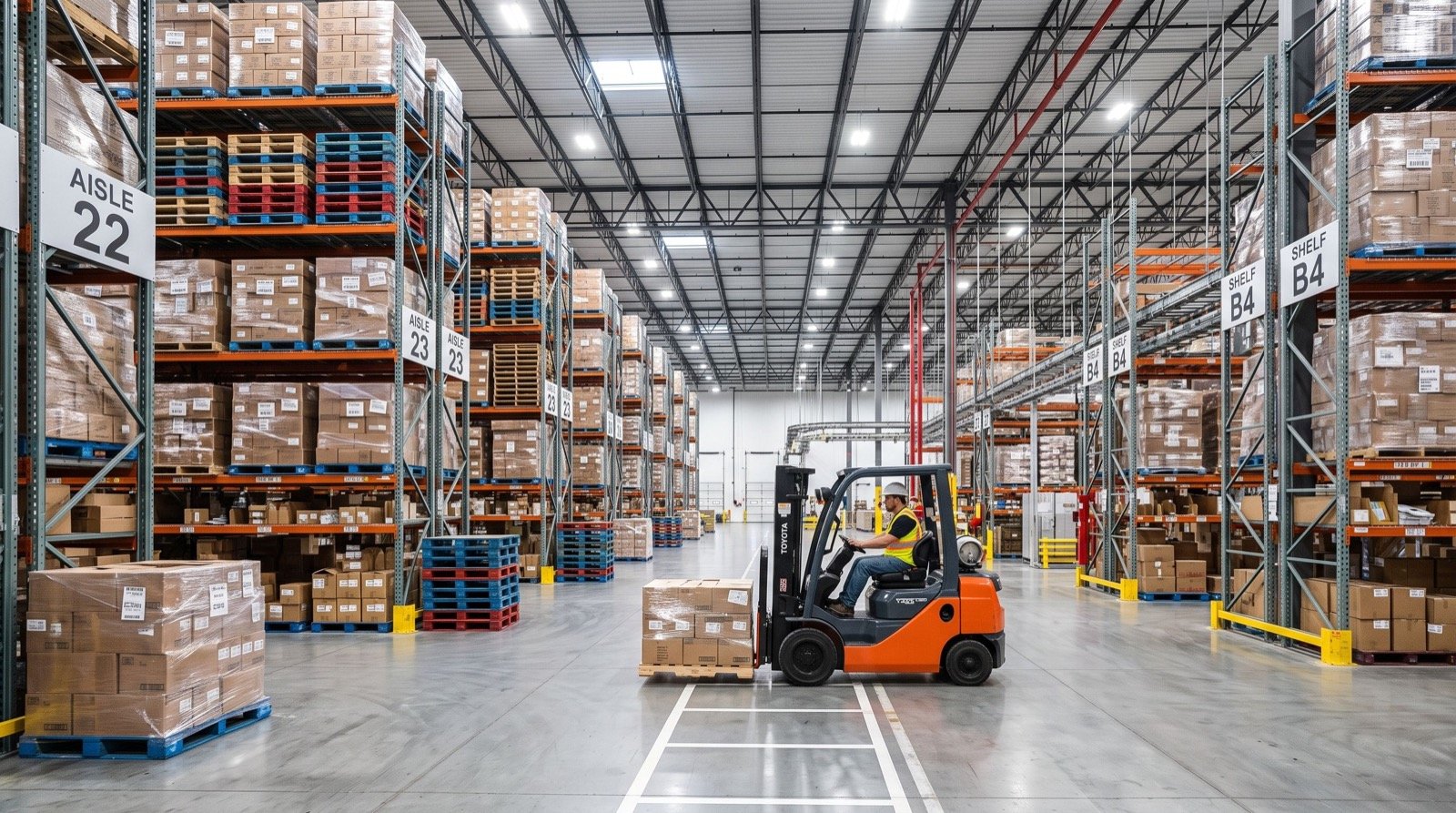
Ambient storage keeps goods at normal room temperature — typically between 15°C and 25°C — while still controlling humidity, airflow, and pest exposure. It’s the right fit for products that degrade from moisture or heat extremes but don’t require active cooling.
The term “ambient” is often misunderstood as meaning “no climate control at all.” In practice, a well-run ambient facility still regulates airflow and moisture tightly — the difference from chilled or frozen storage is simply the target temperature band, not the level of oversight. A warehouse that leaves doors open to outside air during loading, for instance, is not truly offering ambient-grade storage, even if the thermometer happens to read a reasonable number on a mild day.
Products That Belong in Ambient Warehousing
- Packaged snacks, grains, and canned goods
- Paper goods, textiles, and packaging materials
- Electronics and small appliances awaiting distribution
- Beauty and personal care items with stable formulations
- Household cleaning products and non-perishable consumer goods
Why Ambient Storage In Riyadh Is Gaining Momentum
Riyadh’s climate swings dramatically between seasons, and uncontrolled warehousing exposes inventory to heat stress that can warp packaging, degrade adhesives, or shorten shelf life even for products that are technically “non-perishable.” A properly managed ambient facility buffers against these swings using insulated construction, humidity control, and consistent airflow — protecting goods without the energy cost of full refrigeration.
Brands that previously relied on makeshift storerooms or converted shipping containers are migrating toward purpose-built Ambient Storage In Riyadh facilities precisely because those improvised setups can’t maintain consistent conditions during the peak summer months, when outdoor temperatures regularly climb past 45°C and bleed heat into poorly insulated structures.
Retailers that switch from uncontrolled self-storage to a professionally managed ambient facility often report measurably fewer damaged-goods write-offs within the first two quarters, simply because humidity and pest control are handled proactively rather than reactively.
The Sustainability Angle
Ambient storage carries a smaller carbon footprint than frozen or chilled warehousing because it avoids the heavy electricity draw of industrial refrigeration. For brands tracking their logistics emissions as part of broader sustainability reporting, shifting eligible SKUs from chilled to ambient zones — where appropriate — is a practical, measurable way to lower warehousing-related energy use without compromising product quality.
Comparing Storage Types for Non-Perishable Inventory
Choosing the correct storage tier affects both cost and product longevity. The table below compares the main options available to brands stocking inventory in and around Riyadh.
| Storage Type | Temperature Range | Relative Energy Cost | Best For |
|---|---|---|---|
| Frozen | -25°C to -18°C | Highest | Meat, seafood, ice cream |
| Chilled | 0°C to 4°C | High | Dairy, fresh produce |
| Ambient | 15°C to 25°C | Low | Dry goods, electronics, packaged beauty items |
Some product categories sit right on the boundary. For example, certain cosmetic formulations are sensitive enough to need climate control beyond basic ambient conditions — in those cases, a specialized facility offering Storage for Cosmetics products is the safer choice over a generic dry warehouse.
How to Evaluate an Ambient Storage Provider
Not all “dry warehouse” operators maintain the same standards. Before committing inventory, confirm the facility addresses each of the following.
Humidity and Pest Control
Ask for documented humidity logs and pest control schedules. Saudi Arabia’s dust and occasional humidity spikes during coastal-influenced weather patterns can damage unprotected packaging faster than brands expect.
Inventory Visibility and Reporting
Real-time stock dashboards, barcode or RFID tracking, and transparent reporting reduce reconciliation headaches and help finance teams forecast replenishment accurately.
Scalability During Promotional Peaks
Retail promotions and seasonal campaigns can double inventory needs almost overnight. A facility working with trusted professionals should be able to absorb that surge without weeks of lead time.
Location and Last-Mile Access
Riyadh’s logistics corridors have expanded significantly over the past few years, and a warehouse’s proximity to major highways directly affects how quickly inventory reaches retail shelves. Ask prospective providers for average dispatch-to-delivery times during both normal operations and peak season, since the gap between the two numbers tells you more about reliability than either figure alone.
Brands researching vendor evaluation frameworks outside of logistics can find useful parallels in how trusted professionals assess software and productivity tools — the underlying due-diligence questions (reliability, support responsiveness, scalability) carry over surprisingly well.
Cost Considerations for Ambient Storage In Riyadh
Ambient storage is generally the most affordable warehousing tier because it avoids heavy refrigeration costs, but pricing still varies by pallet density, throughput frequency, and whether value-added services like kitting or relabeling are included.
A practical tip worth applying immediately: audit your SKU list for items currently sitting in chilled storage that don’t actually require it. Reclassifying even 10–15% of a chilled inventory into properly managed ambient space can meaningfully reduce monthly warehousing costs without any change to product quality.
Industry guidance from the International Organization for Standardization on warehouse and logistics quality management offers a useful benchmark when auditing whether your current ambient provider meets recognized operational standards.
Frequently Asked Questions
What temperature range defines ambient storage?
Ambient storage typically sits between 15°C and 25°C, with humidity control layered on top to protect packaging and formulation stability, especially during Riyadh’s hotter months.
Is ambient storage cheaper than chilled or frozen storage?
Yes. Because ambient facilities don’t run constant refrigeration, energy costs — and therefore pallet rates — are typically lower than chilled or frozen storage tiers.
Can ambient storage handle seasonal demand spikes?
Established providers in Riyadh generally offer flexible capacity that scales with promotional campaigns and seasonal retail surges, though it’s worth confirming lead times in your contract upfront.
Which products should never go into standard ambient storage?
Anything requiring active cooling — frozen or chilled goods — along with temperature-sensitive cosmetics or pharmaceuticals that specify stricter climate tolerances than standard ambient conditions provide.
Final Thoughts
As Saudi retail and e-commerce continue expanding in 2026, choosing the right ambient storage partner in Riyadh protects both your margins and your inventory quality. Review your current SKU mix, confirm your provider’s humidity and pest controls, and request a tailored quote before your next inventory cycle begins.