HME Drive Thru in Saudi Arabia: Faster Service in 2026
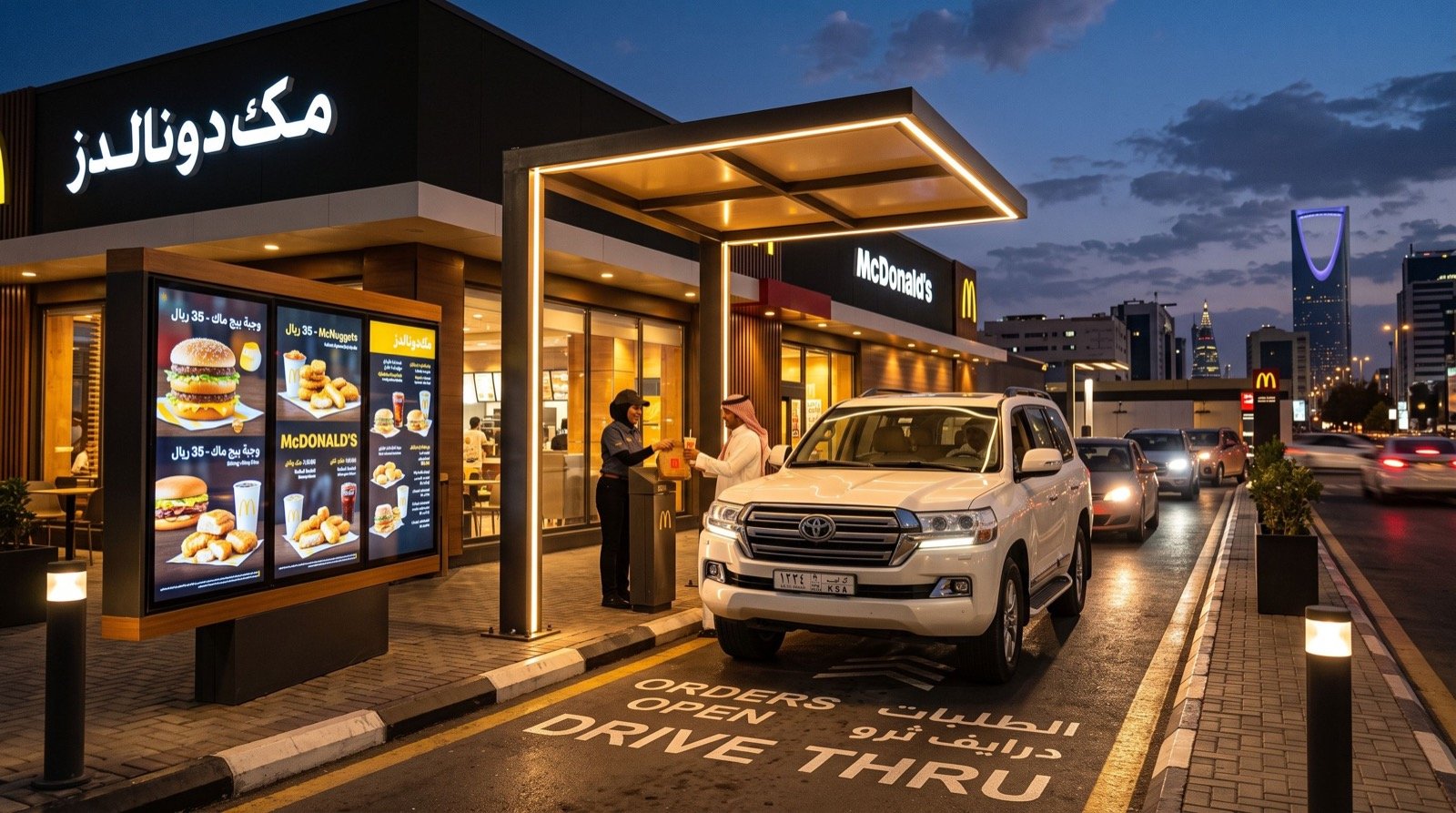
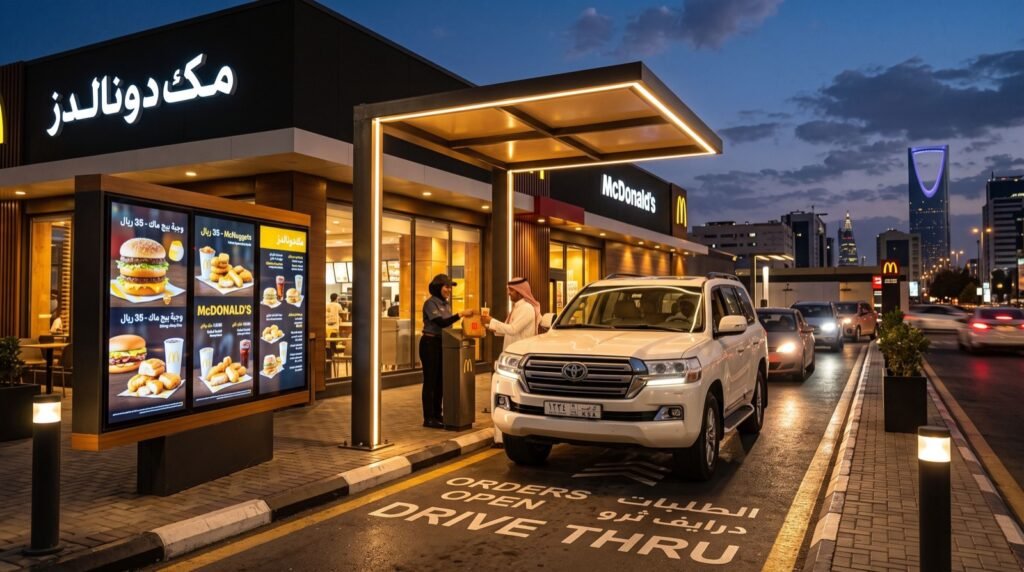
A well-run HME drive thru in saudi arabia can be the difference between a lane of happy drivers and a lane of honking horns. Heat, high demand and late-night traffic put real pressure on quick-service restaurants and coffee chains. The headset and timer technology behind the window decides how smooth that pressure feels.
This article explains what a professional drive-thru system includes, how to plan lane flow, and how to pair order-taking with smart queue control inside the restaurant.
Why Drive-Thru Speed Matters More Than Ever
Drive-thru has become a main sales channel across the Kingdom. Drivers like staying in air-conditioned cars, families like avoiding crowded dining rooms, and delivery drivers use the same lanes for pickup.
Every extra minute of wait raises the chance that a customer leaves the line. Industry bodies such as the National Restaurant Association publish service benchmarks that show speed and accuracy are the top drivers of repeat visits. Operators who track seconds per car consistently outperform those who guess.
What a Professional Drive-Thru System Includes
Many sites start with cheap consumer headsets and later regret it. Commercial systems are built for noise, heat and constant use. A complete setup normally has these parts:
- Wireless headsets: lightweight, long battery life, clear voice in noisy kitchens.
- Base station: links the order point, window and kitchen on separate channels.
- Vehicle detection loops: signal when a car arrives, so greeting is instant.
- Timers and displays: show wait time per car on a kitchen screen.
- Menu board and speaker post: weather-sealed, with anti-glare screens.
How Do You Design a Drive-Thru Lane That Flows?
Hardware alone cannot fix a poor layout. Before installing anything, walk the lane at lunch rush and note where cars stall.
Stack Capacity
Count how many cars fit between the entrance and the order point. A short stack spills onto the street. If you cannot lengthen the lane, consider a second order point that merges before the window.
Split Roles at the Window
Separate the person taking payment from the person handing out food. That small change often cuts service time by several seconds per car.
Plan for Summer and Ramadan Peaks
Demand shifts dramatically after sunset during Ramadan. Staff the lane for that surge and test audio levels at night, when ambient noise differs.
Comparison: Basic vs Commercial Setups
| Feature | Consumer-grade kit | Commercial drive-thru system |
|---|---|---|
| Audio clarity in traffic | Often muffled | Noise-cancelling, tuned for lanes |
| Battery life per shift | 4 to 6 hours | 10 to 12 hours, swappable |
| Heat tolerance | Poor in direct sun | Rated for hot climates |
| Timing data | None | Per-car and per-hour reporting |
| Support | Replace when broken | Service plans and spare parts |
Connect the Lane to Inside Service
Many restaurants now have drive-thru, counter orders, and app pickups running at once. Without coordination, the kitchen favours whichever channel shouts loudest.
That is where a queue management system in saudi arabia can complement your lane. Inside, it keeps counter customers and pickup orders in a visible, fair sequence, so staff are not pulled between the window and the till. The kitchen sees one balanced demand picture instead of three competing ones.
Start small. Use the queue display for pickup orders first, then expand to counter tickets once staff are comfortable.
Seven Steps to Cut Seconds From Every Order
- Record current service time for one full week as your baseline.
- Replace worn headsets and test every channel at the start of each shift.
- Greet drivers within five seconds of detection.
- Repeat the order on the screen so customers can confirm it.
- Pre-stage drinks and sauces during slow spells.
- Review the slowest 10 percent of cars every Friday.
- Rotate staff between order point and window to prevent fatigue.
An original tip: put the timer screen where the kitchen lead can see it, not just the manager. Teams respond faster to a number they can watch than to a report they read next week.
Maintenance Habits That Prevent Downtime
Drive-thru equipment works outdoors all day, so small habits matter. Wipe speaker posts weekly, since dust and grease muffle sound. Keep two spare headsets charged. Check detection loops after any road resurfacing, because asphalt work can damage them.
When a base station starts dropping signal, note the time and location of each dropout. That log helps technicians find interference quickly, saving hours of guesswork. For repairs and upgrades, rely on experienced local team support that can reach your site fast.
Training the Team Behind the Headset
Even the best equipment fails when staff are untrained. Order takers need a short script: greet, listen, repeat, suggest one add-on, confirm the total. Practise it during quiet hours until it feels natural.
Coaching With Real Data
Use the timer report to coach, not to punish. Sit with an employee, pick three slow cars, and ask what caused the delay. Often the answer is a missing ingredient or a confusing menu item, not a slow person.
Handling Rush Hour Stress
- Rotate the headset role every two hours.
- Keep water within reach in hot weather.
- Agree a hand signal for calling backup.
- Celebrate fast, accurate shifts publicly.
Teams that feel supported make fewer mistakes, and fewer mistakes mean fewer remakes. That alone often trims more seconds than any hardware upgrade.
Frequently Asked Questions
How many cars per hour should a drive-thru handle?
It varies by menu, but well-run quick-service lanes often serve 40 to 60 cars per hour at peak. Track your own numbers and aim to improve them gradually.
Can I upgrade an existing lane without rebuilding it?
Often yes. Headsets, timers and detection loops can usually be replaced without changing the physical lane, though speaker post placement should be reviewed.
Do wireless headsets interfere with each other?
Commercial systems use dedicated channels to avoid this. Interference mostly appears when sites mix consumer devices into a professional base station.
What data should I review weekly?
Look at average service time, longest wait, cars per hour and the busiest 15-minute windows. Those four numbers drive most staffing decisions.
Conclusion
An HME drive thru in Saudi Arabia pays for itself when you combine reliable audio, sensible lane design and honest timing data. Fix the layout, equip the team with commercial gear, and review the numbers weekly. Plan your 2026 upgrade today and measure the difference within the first month.