Pet Waste Environmental Impact: The 2026 Facts
Dog ownership is booming, and so is the mountain of waste that comes with it. The pet waste environmental impact is far larger than most owners realise, touching water quality, greenhouse gases, and plastic pollution all at once. This 2026 guide lays out the facts and, more importantly, the practical steps that genuinely reduce your footprint.
This is not about guilt; it is about informed choices. Once you understand where the real harm comes from, a few simple changes to your tools and routine cut your impact significantly without making cleanup harder. Let us look at the evidence and the solutions.
Understanding the Pet Waste Environmental Impact
The problem has three dimensions: water pollution, disposal emissions, and plastic. Each deserves attention because tackling one while ignoring the others achieves little. Together they add up to a surprisingly heavy burden from an everyday activity.
Water is the most studied dimension. The Environmental Protection Agency identifies pet waste as a source of nutrient and bacterial pollution that runs off into streams and lakes, degrading water quality and harming aquatic life when it is not properly collected.
Why Uncollected Waste Pollutes Water
Rain washes nutrients and pathogens from waste into storm drains, which usually empty untreated into local waterways. The result is algal blooms, oxygen depletion, and bacterial contamination. Prompt collection is the single most effective step an individual owner can take.
The Numbers Behind the Problem
Scale is what makes individual choices matter. The table below frames the key impact areas and the lever each owner controls, turning an abstract problem into concrete action points.
| Impact Area | Main Cause | What You Control |
|---|---|---|
| Water pollution | Uncollected waste runoff | Prompt, complete collection |
| Plastic waste | Single-use bags | Bag choice and bulk collection |
| Landfill emissions | Waste in anaerobic landfill | Correct disposal method |
| Soil contamination | Improper composting | Never composting dog waste |
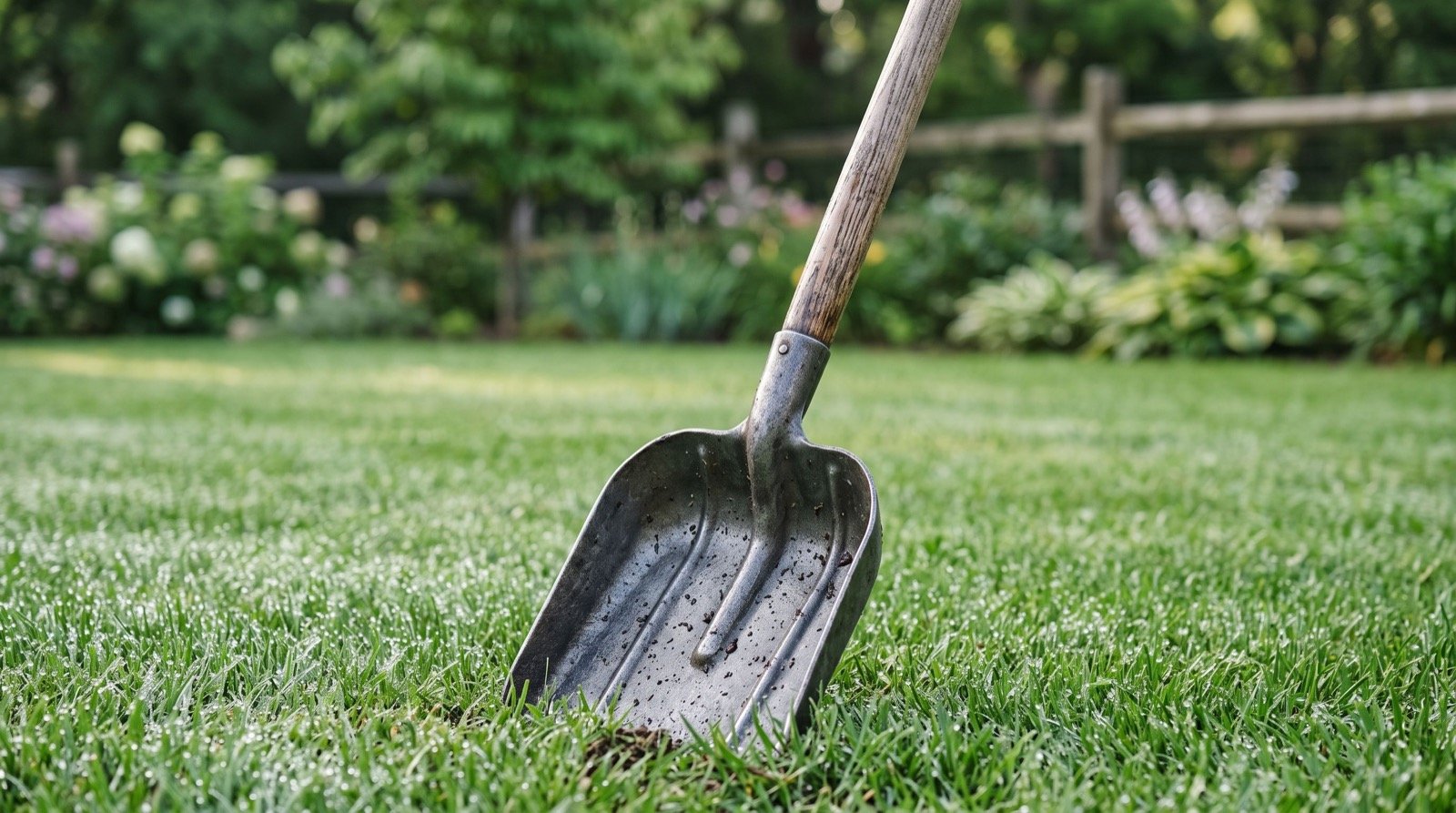
A durable, reusable collection tool is a quiet win here. A long-lasting Pooper Scooper metal head replaces dozens of disposable plastic scoops over its lifetime, cutting both plastic waste and manufacturing emissions.
How Can You Reduce Your Pet’s Waste Footprint?
The good news is that meaningful reduction is easy. It comes down to collecting consistently, choosing better materials, and disposing correctly. None of these steps costs much, and most actually save money over time.
Start by collecting every time, because uncollected waste is the biggest single harm. Then reduce single-use plastic by bulk-collecting yard waste with a reusable tool rather than bagging each deposit. Finally, dispose of waste through the correct channel for your area.
- Collect consistently to stop runoff pollution at the source.
- Use a reusable metal scooper instead of disposable plastic ones.
- Bulk-collect yard waste into one liner rather than many small bags.
- Choose certified bags where compost or recycling facilities exist.
Smart Disposal Choices
Disposal is where good intentions often go wrong. Composting dog waste in a home pile is a common mistake; ordinary piles rarely reach the temperatures needed to kill pathogens, so the result contaminates soil. Likewise, flushing can overload treatment systems.
The most reliable route for most households is to bag waste and place it in general refuse or a dedicated pet-waste service. For bulk disposal without leaks, sturdy heavy Dog duty Bags let you consolidate a week’s yard waste into a single secure bag rather than dozens of thin ones.
The Bulk-Collection Advantage
Bagging every single deposit on a walk is sometimes unavoidable, but at home you can slash plastic use. Scoop into a lidded bin all week, then dispose using one strong liner. This simple shift can cut your bag consumption dramatically over a year.
Consider the arithmetic over a year. A single dog might generate several hundred bags if you wrap each deposit individually, yet bulk-collecting at home can reduce that to a fraction. Multiplied across a neighbourhood of dog owners, the plastic saved becomes substantial, and the manufacturing emissions avoided add up too.
A Practical Low-Impact Routine
Reducing your footprint does not require a dramatic lifestyle change. Follow this simple sequence and you lower your impact on water, plastic, and emissions all at once, without adding time to your day.
- Collect waste every single time, prioritising prompt removal above all else.
- Use a durable reusable metal scooper instead of disposable plastic tools.
- Bulk-collect yard waste into one lidded bin through the week.
- Dispose using one strong liner, binned through the correct local channel.
- Choose certified compostable bags only where proper facilities exist near you.
Making Informed, Low-Impact Choices in 2026
Sustainability claims are everywhere, so verify before you buy. Look for genuine certifications on bags and real durability specs on tools. When comparing suppliers and services, feedback from trusted professionals and verified owners helps you separate substance from spin.
Every owner’s choices are small individually but enormous in aggregate. Choosing a reusable tool, collecting consistently, and disposing correctly is a realistic routine that genuinely shrinks the pet waste environmental impact without demanding sacrifice.
Frequently Asked Questions
What is the biggest part of the pet waste environmental impact?
Uncollected waste causing water pollution is the largest single harm. Rain washes nutrients and bacteria into waterways, so consistent, complete collection is the most effective step any owner can take.
Are biodegradable bags enough to solve the problem?
No. Bags matter, but collection and disposal matter more. Biodegradable bags only break down properly in specific facilities, so pair them with consistent collection and correct disposal for real impact.
Is composting dog waste environmentally friendly?
Home composting is risky because typical piles do not kill the parasites in dog waste, contaminating soil. Use a dedicated pet-waste digester or bag and bin it through the proper channel instead.
How does a reusable scooper help the environment?
A durable metal scooper replaces dozens of disposable plastic tools over its life, cutting plastic waste and the emissions from manufacturing them. Reusable gear is a simple, lasting footprint reduction.
The Bottom Line
The pet waste environmental impact spans water pollution, plastic, and emissions, but every owner holds the levers to reduce it. Collect consistently, switch to a reusable metal scooper, bulk-collect at home to cut single-use bags, and dispose correctly rather than composting or flushing. These easy, affordable habits shrink your footprint while keeping cleanup simple. Make the low-impact switch today and let your routine work for the planet as well as your yard.